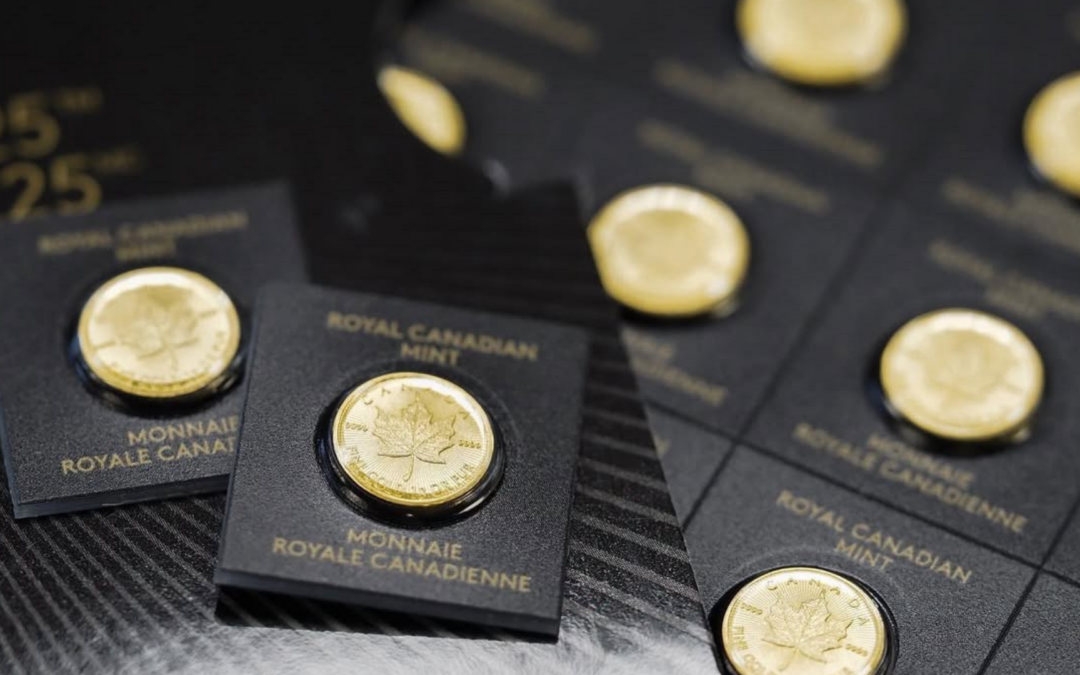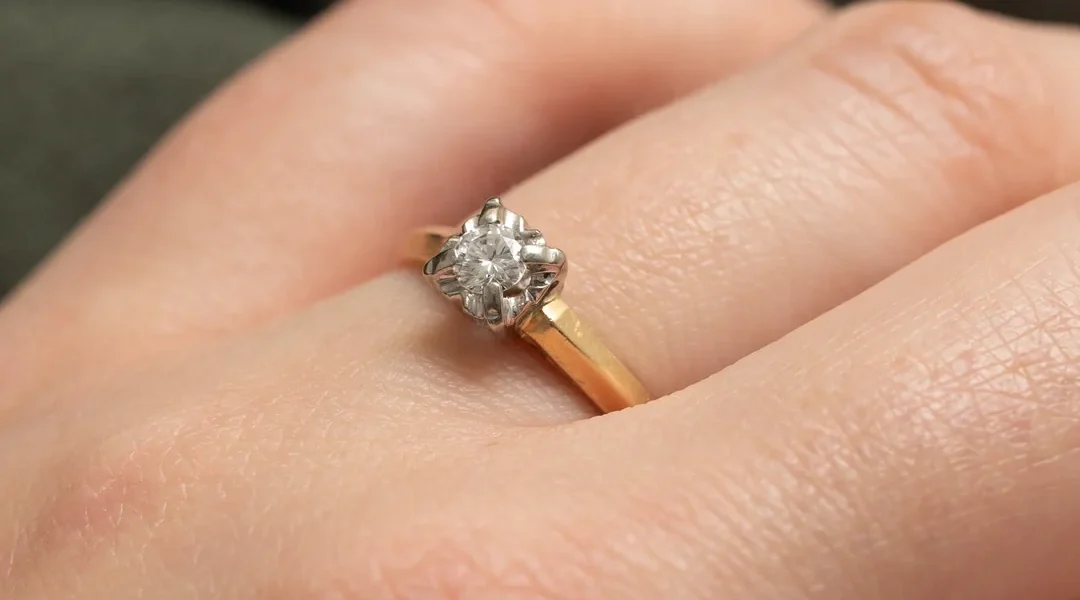
Gold has always occupied a place unlike any other material. Long before financial markets existed, people were drawn to it for its warm colour, its weight, and its ability to endure. Gold did not fade with time or decay with exposure. It could be shaped, passed down, and rediscovered centuries later, unchanged.
That timeless appeal is closely connected to gold’s rarity. Unlike many resources that are plentiful or easily replaced, gold is genuinely scarce. Its limited supply is not simply a matter of mining difficulty – it is the result of extraordinary events that took place long before Earth even formed.
A Story That Begins Beyond Earth
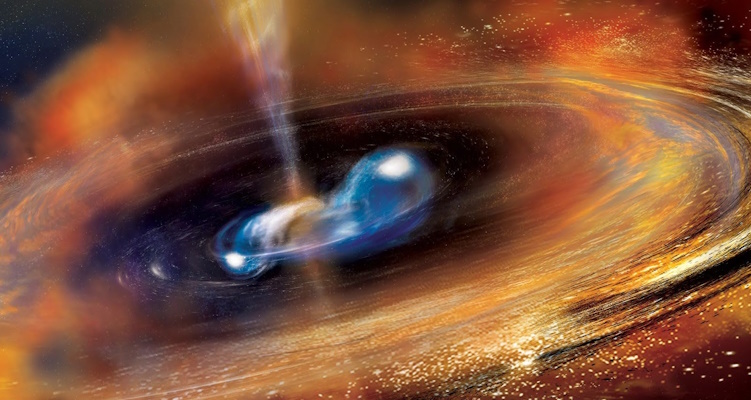
Gold is rare because it is exceptionally difficult to create. The atoms that make up gold were formed during violent and uncommon events in the universe’s distant past. These moments reshaped matter itself and produced elements that could not form under ordinary conditions.
Over billions of years, traces of this material drifted through space and eventually became part of the cloud that formed our solar system. When Earth took shape, gold was present – but not in an accessible way.
In the planet’s early, molten state, gold sank deep into the Earth’s interior along with other heavy elements. Most of it remains locked far below the surface to this day. Only a small fraction stayed within the crust, the thin outer layer of Earth that humans can reach.
Even there, gold is unevenly scattered. Geological processes slowly concentrated it into veins and deposits, often in extremely small quantities. Erosion carried tiny particles into rivers and sediments, where gold could sometimes be found – but always sparingly.
This long sequence of cosmic creation, planetary sorting, and geological chance explains why gold is so rare in nature and why meaningful discoveries are increasingly difficult.
What Makes Gold Different from Every Other Metal
Gold’s physical properties are as remarkable as its origin.
One of its defining characteristics is durability. Gold does not rust, tarnish, or chemically degrade under normal conditions. Objects made from gold can survive thousands of years with little visible change, reinforcing its long-standing association with permanence and stability.
Gold is also extraordinarily workable. It can be shaped, stretched, and refined more easily than almost any other metal. This has made it ideal for intricate jewellery, decorative art, and precise industrial uses throughout history.
Despite its softness, gold is dense and heavy, giving it a distinctive presence. It is also an excellent conductor of electricity and heat, and unlike many other conductive metals, it does not corrode. These qualities make gold valuable in electronics, medical technology, and aerospace applications where reliability matters.
Perhaps most uniquely, gold is never truly consumed. Nearly all the gold ever mined still exists today – refined, recycled, and reused across generations.
Gold’s Place in Today’s Market
Because gold does not disappear or degrade, its supply behaves differently from most commodities. New mining adds only a small amount to the total global supply each year. As a result, the gold market is shaped more by long-term accumulation and circulation than by rapid production.
Today, gold is traded globally as both a physical asset and a financial instrument. It is held by central banks as part of national reserves, owned by investors as a hedge against inflation and uncertainty, and worn as jewellery that represents both cultural tradition and personal value.
Unlike resources that are consumed and gone, gold moves continuously through the global economy. Jewellery is refined into bars, bars are reshaped into industrial components, and older gold is recycled again and again. This steady circulation reinforces gold’s reputation as a trusted and enduring commodity.
All the Gold Ever Mined – Visualized
For all its influence, the total amount of gold mined throughout human history is surprisingly small.
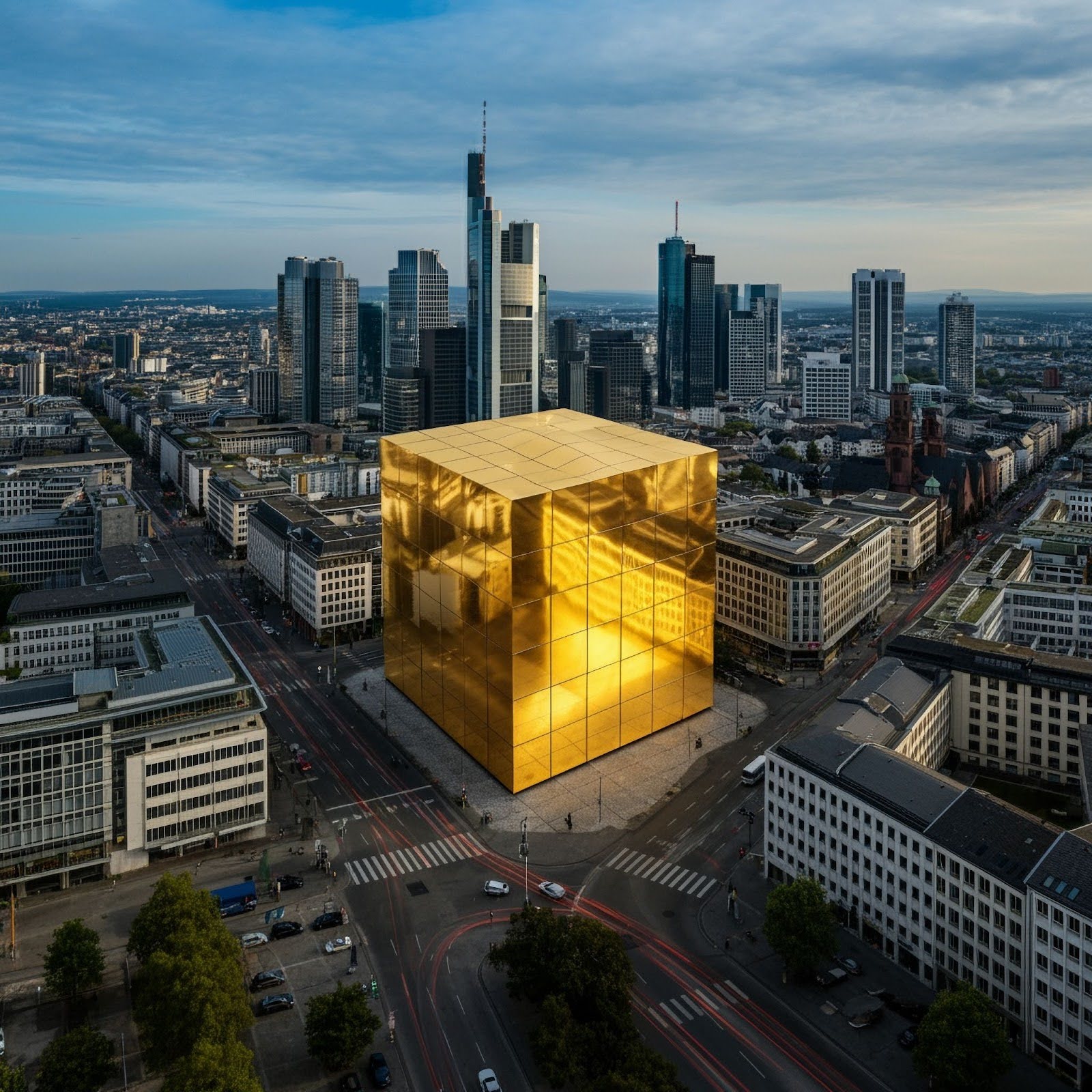
Estimates suggest that approximately 216,000 tonnes of gold exist above ground today. That includes every gold coin, bar, piece of jewellery, and industrial application currently in use.
If all of that gold were melted down and formed into a single cube, it would measure just over 22 metres (about 72 feet) on each side – roughly the height of a seven-storey building. It would fit easily within a city block.
This simple visualization highlights gold’s true scarcity. Despite its global importance and constant presence in markets and vaults, the physical supply is limited and grows slowly.
A Rarity That Endures
Gold’s value is not driven by trends or novelty. It is rooted in rarity, resilience, and centuries of trust. From its origins in distant cosmic events to its role in modern markets, gold has followed a path unlike any other material.
In a world defined by constant change, gold remains what it has always been: rare, tangible, and enduring.
For all your gold buying and selling needs, please visit any of our 17 Canada Gold locations across Canada and the Pacific Northwest. We’d be happy to help you.
Photos Courtesy of A. Simonnet (Sonoma State Univ.) and NASA’s Goddard Space Flight Center