Gold has inspired civilizations, launched expeditions, financed wars, and built fortunes. It has also inspired some of history’s most daring crimes.
For thousands of years, gold has represented concentrated wealth unlike almost any other material. A handful of bars can be worth millions of dollars. A single coin can be worth more than a new automobile. Unlike cash, gold never expires, cannot be printed into existence, and is recognized as valuable almost anywhere in the world.
That unique combination has made gold one of the most desirable targets for professional thieves throughout history.
From armoured train robberies to sophisticated vault break-ins, gold has played a starring role in some of the world’s most famous heists. Yet behind every headline lies an equally fascinating story of modern security, investigative work, and the extraordinary lengths taken to protect one of humanity’s oldest stores of wealth.
Five of History’s Most Famous Gold Heists
1. The Great Gold Robbery (1855)
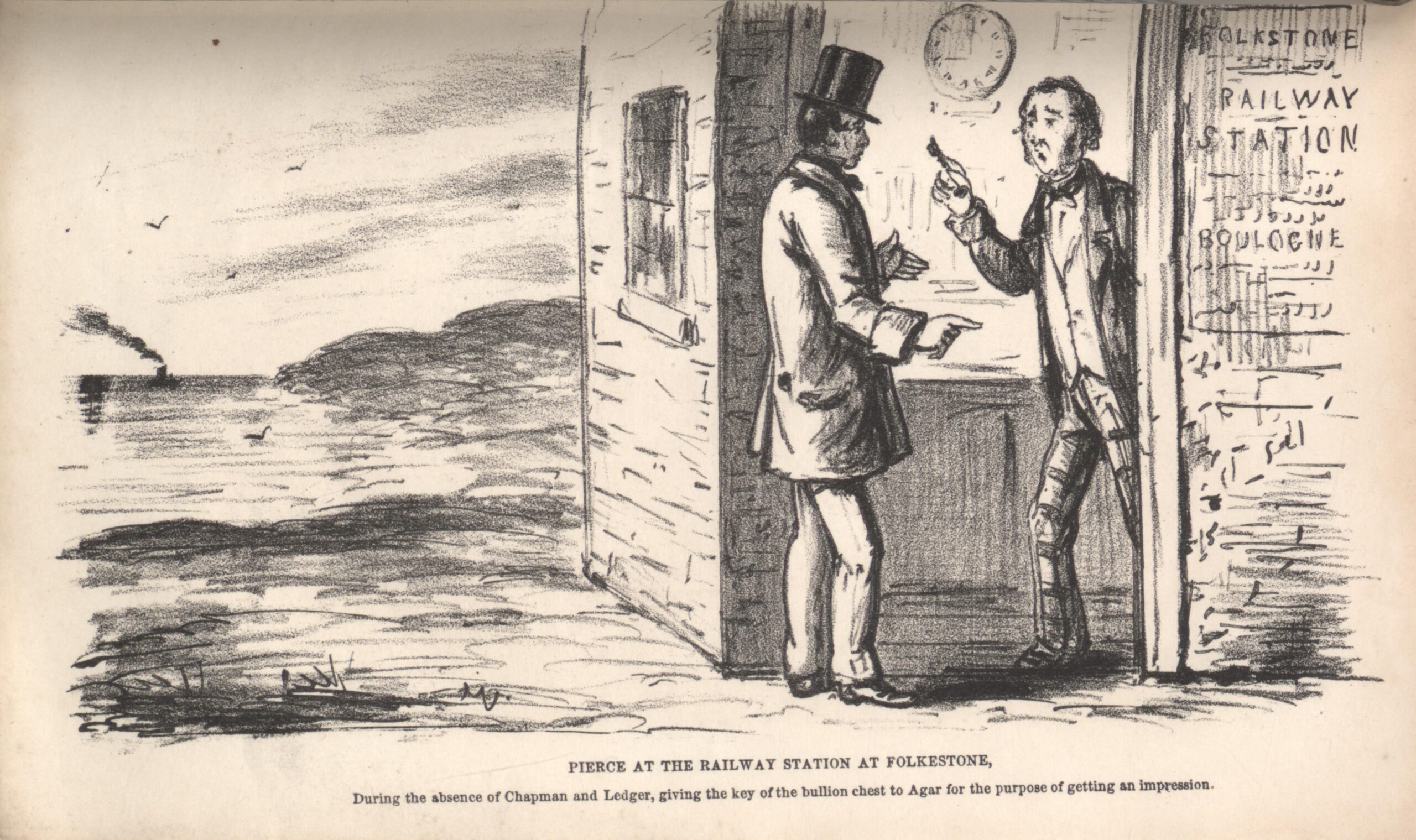
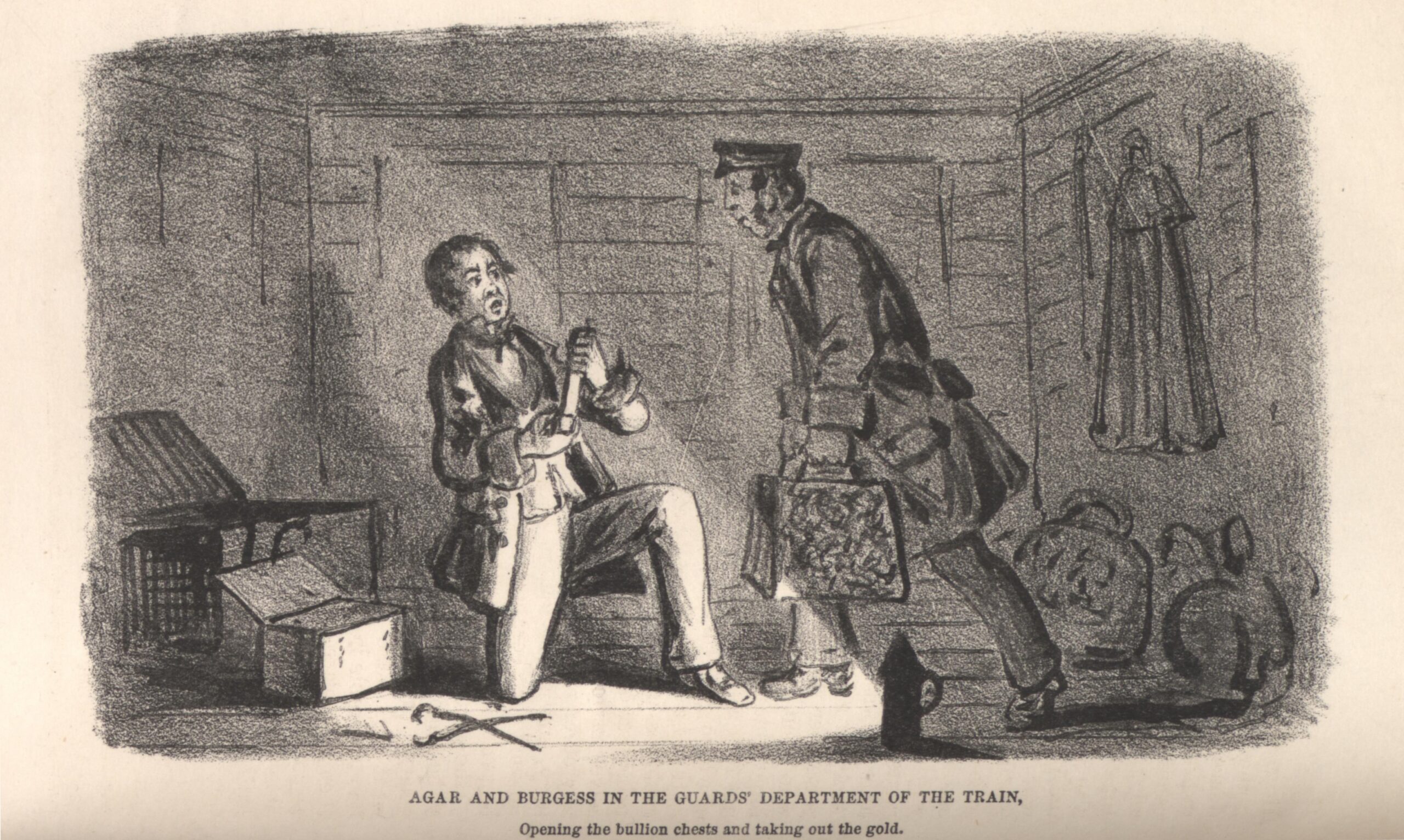
Long before armoured trucks and laser-protected vaults, one of history’s most ingenious gold thefts unfolded aboard a Victorian railway.
During the Crimean War, shipments of gold bullion were regularly transported by train from London to the port of Folkestone before being shipped to British troops overseas. In 1855, thieves executed a meticulously planned robbery by secretly obtaining impressions of the keys used to secure the shipment’s safes. Duplicate keys were produced, allowing the criminals to unlock the safes during transit without leaving any signs of forced entry.
The gang removed approximately 91 kilograms (200 pounds) of gold and cleverly replaced much of the missing weight with lead shot, ensuring the theft went unnoticed until the shipment reached France. The remarkable sophistication of the crime captured public attention across Britain and inspired one of the earliest large-scale detective investigations into a precious metals’ theft. More than 170 years later, it remains one of history’s most celebrated gold robberies.

2. The Brink’s-Mat Gold Robbery (1983)
One of the most infamous gold robberies ever occurred at the Brink’s-Mat warehouse near Heathrow Airport in London.
Armed robbers expected to steal cash.
Instead, they discovered an astonishing cache of gold bullion.
Approximately three tonnes of gold, along with diamonds and cash, were stolen in what became one of Britain’s largest robberies.
The crime sparked years of investigations, money laundering cases, and organized crime prosecutions. Much of the gold was reportedly melted down, making it difficult to identify.
The phrase “Brink’s-Mat Gold” remains famous in British criminal history.
3. The Hatton Garden Vault Burglary (2015)
London’s Hatton Garden district is famous for jewellery and precious metals.
During the Easter holiday weekend, a group of elderly but highly experienced career criminals broke into a secure vault facility by drilling through reinforced concrete walls.
The thieves emptied dozens of safe deposit boxes containing jewellery, gold, gemstones, and other valuables.
Although not exclusively a gold robbery, the heist demonstrated that planning, patience, and insider knowledge can sometimes overcome physical barriers.
Nearly all of the perpetrators were eventually identified and convicted through extensive fore
4. The Lufthansa Cargo Gold and Bullion Thefts
Air cargo terminals have long handled shipments of gold bullion travelling between refiners, mints, banks, and financial institutions.
Over the decades, several organized robberies involving precious metals shipments have occurred around the world. While these incidents span multiple decades rather than a single event, they illustrate the ongoing challenge of transporting high-value cargo safely across international supply chains.
These robberies helped drive major improvements in bullion logistics, including GPS tracking, armoured transportation, randomized delivery schedules, sealed chain-of-custody procedures, and enhanced coordination between law enforcement agencies and private security firms.
5. The Berlin Museum Gold Coin Theft (2017)

Perhaps the most unusual gold theft in modern history involved not bullion bars, but one of the world’s largest gold coins.
In 2017, thieves stole the famous $1-Million Gold Maple Leaf coin from Berlin’s Bode Museum. Produced by the Royal Canadian Mint, the coin weighed approximately 100 kilograms (220 pounds) and was struck from 99.999% pure gold. Although it carried a face value of C$1 million, its gold content alone was worth several times that amount.
The sheer size of the coin made the theft almost unbelievable, requiring multiple perpetrators and careful planning to remove it from the museum. Investigators believe the coin was eventually cut apart and melted down, making recovery virtually impossible. Only fragments of evidence were ever recovered, and while several individuals were convicted in connection with the theft, the coin itself has never been found.
The case serves as a reminder that even highly public, heavily protected display pieces can become targets when they contain enormous intrinsic value. It also highlights the enduring reputation of Canadian gold products, which are recognized around the world for their purity and craftsmanship.
Why Is Gold Such an Attractive Target?
Professional criminals typically seek assets that combine high value, portability, durability, and liquidity, and gold possesses all of these qualities in remarkable measure. Few materials concentrate as much wealth into such a small physical space. A single standard London Good Delivery bar weighs about 12.4 kilograms (400 troy ounces) yet, depending on the current market price, can be worth well over US$1 million.
Unlike electronics, vehicles, or luxury goods, gold never becomes obsolete, rusts, or deteriorates, retaining its intrinsic value regardless of age. It is recognized and traded in virtually every country, making it one of the world’s most universally accepted stores of wealth.
At the same time, modern investment-grade bullion is surprisingly difficult to sell illegally. Large bullion bars carry serial numbers and refinery markings, while legitimate bullion dealers, refiners, banks, and precious metals businesses follow strict chain-of-custody procedures and anti-money laundering regulations. As a result, although gold’s extraordinary value continues to attract professional thieves, converting stolen bullion into legitimate wealth has become increasingly difficult, with many famous gold robberies ending in arrests, recovered metal, or bullion that could only be disposed of after being melted down.
Why Gold Robberies Are Far More Difficult Today
Hollywood often portrays gold theft as surprisingly simple.
Reality is very different.
Modern bullion security has evolved dramatically over the past several decades.
Professional vault operators employ multiple overlapping security systems that include:
- Reinforced concrete vaults several feet thick
- Time-delay vault locks
- Multi-factor access controls
- Continuous CCTV monitoring
- Motion, vibration, thermal, and seismic sensors
- Armoured transportation
- GPS tracking
- Independent auditing
- Chain-of-custody documentation
- Serial number verification
- Insurance requirements
- International reporting systems
These measures mean that stealing gold is only one challenge.
Selling it without detection is often even more difficult.
Why Stolen Gold Is Hard to Sell
Many people assume stolen gold can simply be melted down and sold anonymously.
For investment-grade bullion, that is rarely the case.
Large bullion bars typically carry serial numbers identifying the refiner, purity, weight, and production batch.
Major refiners maintain strict sourcing standards and perform due diligence before accepting material for processing. Suspicious transactions can trigger investigations, while regulated precious-metals businesses are subject to anti-money laundering rules and reporting requirements in many jurisdictions.
Jewellery is somewhat different because it is commonly refined into new metal. Even then, reputable refiners and dealers maintain detailed records, making it difficult for stolen material to enter legitimate supply chains without attracting attention.
The result is that professional criminals often discover that stealing gold is considerably easier than profiting from it.
How Gold Security Has Changed
The methods used to protect gold have evolved alongside the methods used to steal it.
Ancient civilizations relied on guards and thick stone walls.
Medieval kingdoms built castles around their treasuries.
Banks introduced massive steel vault doors in the nineteenth century.
Today, bullion storage facilities combine physical engineering with sophisticated technology.
Artificial intelligence assists with video monitoring, biometric authentication limits access, seismic sensors detect drilling attempts, and digital inventory systems record every movement of every bar.
Security has become a carefully layered system rather than relying on any single barrier.
Gold’s Value Hasn’t Changed – Only the Security Has
The history of gold theft is, in many ways, a reflection of gold’s enduring importance.
Few materials have retained purchasing power across thousands of years, survived changing empires, currencies, and financial systems, and remained universally recognized as valuable.
That same stability explains why professional criminals have repeatedly attempted to steal it – and why the organizations responsible for protecting it continue to invest heavily in increasingly sophisticated security.
For legitimate investors, collectors, and owners, those advances offer reassurance. Whether held by central banks, private vaults, refiners, or trusted bullion dealers, today’s gold is protected by security measures that would have seemed unimaginable only a generation ago.
Gold has always represented wealth. The methods used to protect it simply continue to evolve alongside the ingenuity of those who would try to take it.