Gold may look simple once it has been turned into a gleaming bar or coin, but getting it to that point is anything but simple. Gold found in the ground is rarely pure. It is typically mixed with silver, copper and other metals, and before it can become the high-purity gold used for jewellery, bullion and other applications, those metals need to be separated.
So, what actually happens between gold coming out of the ground and ending up in a refinery as nearly pure metal?
From Ore to Doré
Gold refining generally begins after the mining and ore-processing stages, when the gold has been concentrated and smelted into something called doré.
Doré is a semi-pure alloy made primarily of gold and silver. Its exact composition varies depending on the source, but it can contain anywhere from roughly 50% to 95% gold. It certainly looks like gold at this stage, but there is still a lot of work to be done.
The doré is then sent to a refinery, where it is weighed, catalogued and prepared for refining. Gold-bearing materials from other sources, including jewellery scrap and electronic components, can also enter the refining process.
Before anything is separated, refiners need to know exactly what they are working with.
Why Assaying Matters
Once the material is melted, a representative sample can be taken and tested to determine its composition. This process is known as assaying.
Fire assay is one of the traditional methods used to determine precious-metal content, while technologies such as X-ray fluorescence (XRF) can provide rapid analysis. Knowing how much gold, silver and other metals are present helps determine how the material should be refined and what it is worth.
From here, the refining process can take a few different paths. Two of the most important methods used in large-scale gold refining are the Miller process and the Wohlwill process.
The Miller Process: Separating Gold From Other Metals
The Miller process uses chlorine to separate gold from many of the other metals found in doré.
The gold is melted at a temperature of about 1,064°C, and chlorine gas is introduced into the molten metal. The chlorine reacts with metals such as silver, copper, zinc and other impurities, forming chlorides that can be removed from the surface of the melt.
Gold behaves differently. It remains largely unaffected by the chlorine under these conditions, allowing it to be separated from many of the metals surrounding it.
The Miller process is relatively fast and can produce gold that is approximately 99.5% pure. For many applications, that is already an extremely high level of purity. When even higher purity is required, the gold can move on to another stage of refining.
The Wohlwill Process: Taking Gold to 99.99%
For gold that needs to be exceptionally pure, refiners can use the Wohlwill process, an electrolytic refining method developed in the 19th century.
The gold is cast into anodes and placed into an electrolyte solution. When an electrical current is applied, gold from the anode dissolves and is deposited onto a cathode. Other metals behave differently during the process, allowing them to be separated from the gold.
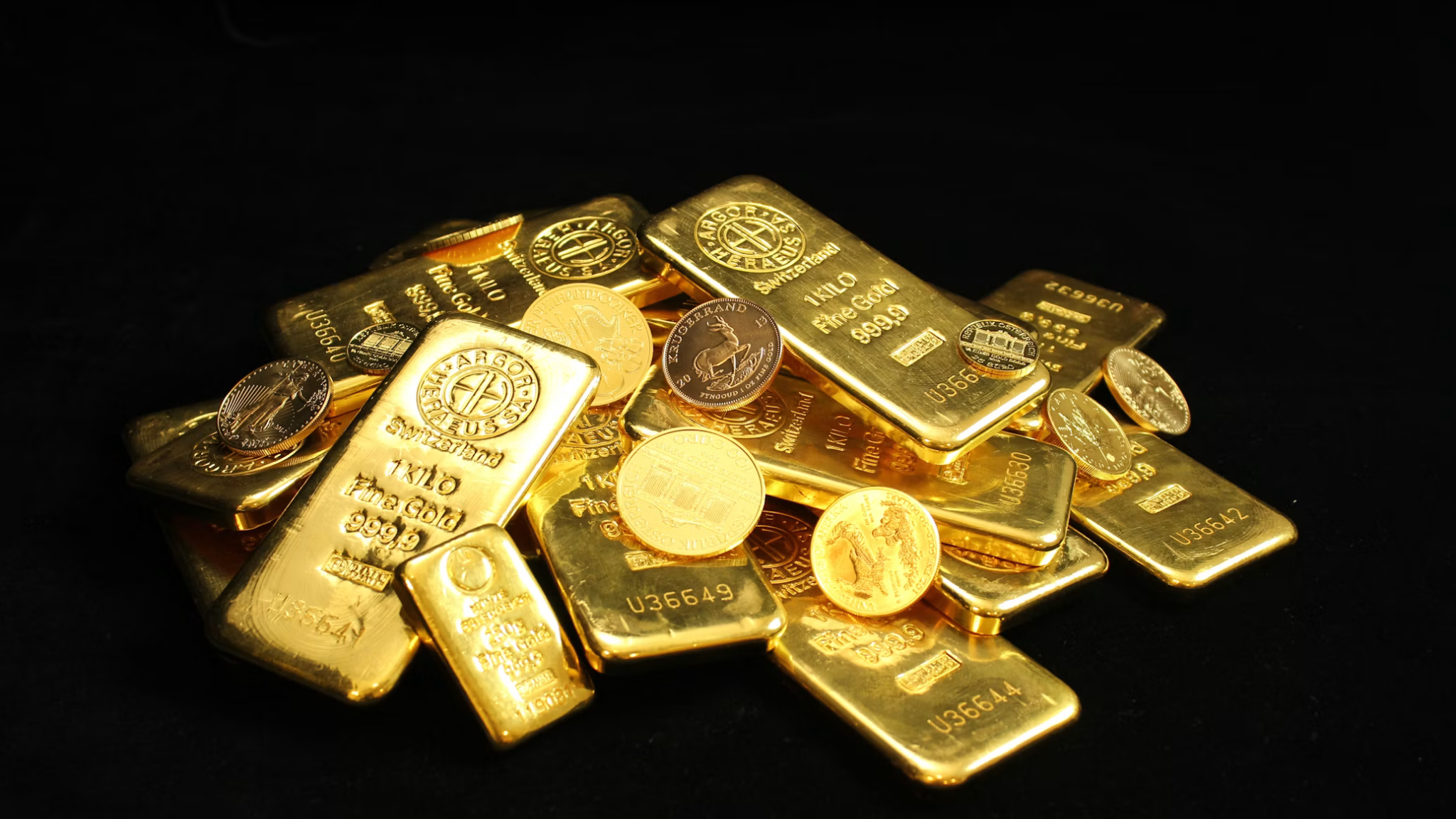
The result can be gold that is 99.99% pure, often referred to as 999.9 fine gold.
That number might look like a small difference from 99.5%, but when you are producing bullion to precise specifications, those additional “nines” matter.
Not All Gold Takes the Same Route
The Miller and Wohlwill processes are important parts of modern refining, but they are not the only methods available. Depending on the material being processed and the scale of the operation, refiners may also use techniques such as aqua regia, inquartation and parting, or other chemical and hydrometallurgical processes.
The goal is always the same: separate the gold from the other materials while recovering as much of the precious metal as possible.
From Refined Gold to Bullion
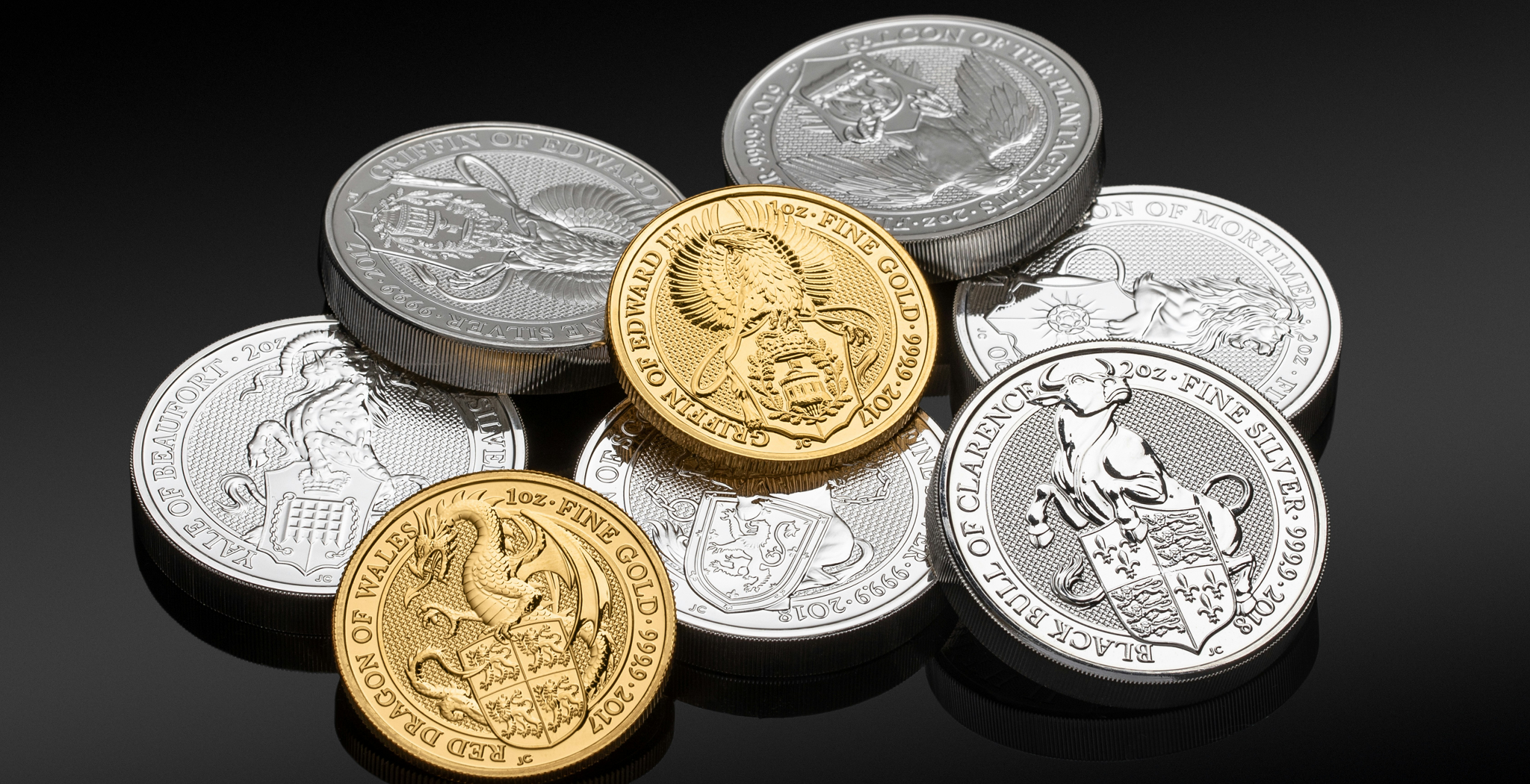
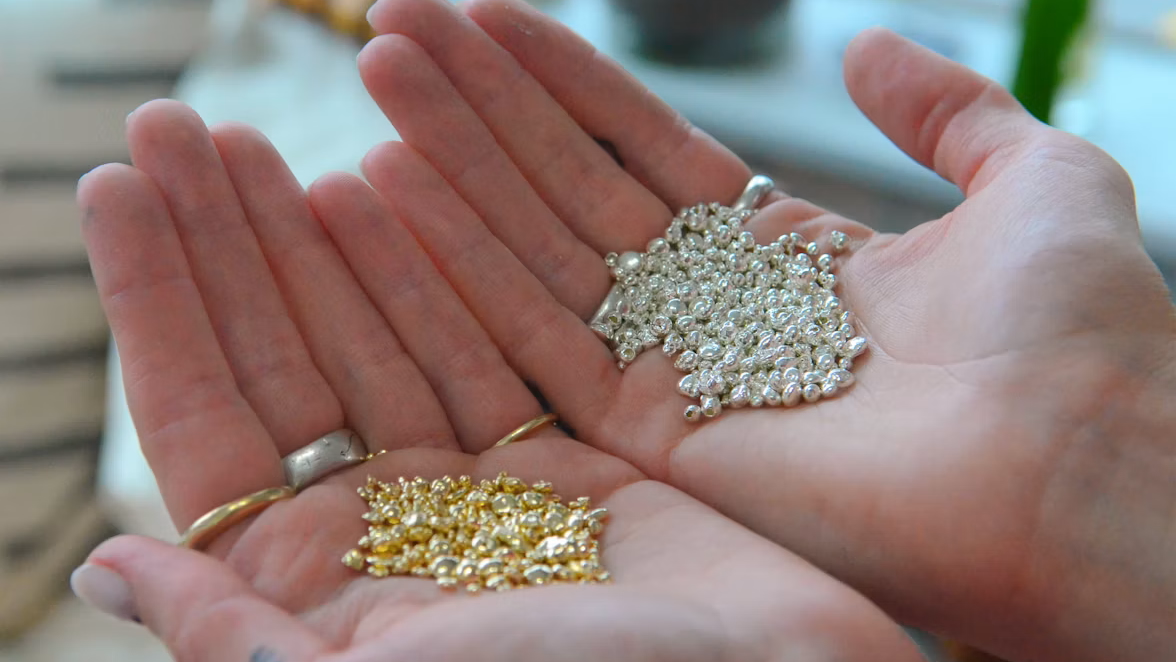
Once the desired purity has been reached, the gold can be melted and cast into its final form. Depending on its intended use, that might mean a bullion bar, granules or blanks that will eventually become coins.
Before a finished bar leaves a refinery, it is weighed and marked with important information such as its purity, refiner’s mark and, in some cases, a serial number. The metal is also subject to further testing and quality controls to ensure it meets the required specifications.
And that is how gold makes the journey from a naturally occurring material mixed with other metals to the highly refined bullion we recognize today.
The next time you see a 1 oz gold bar stamped 999.9, it is worth remembering that the number represents far more than its weight. It reflects a carefully controlled process of melting, testing, separating and refining that transforms gold from a rough, impure material into one of the world’s most recognizable forms of precious metal.