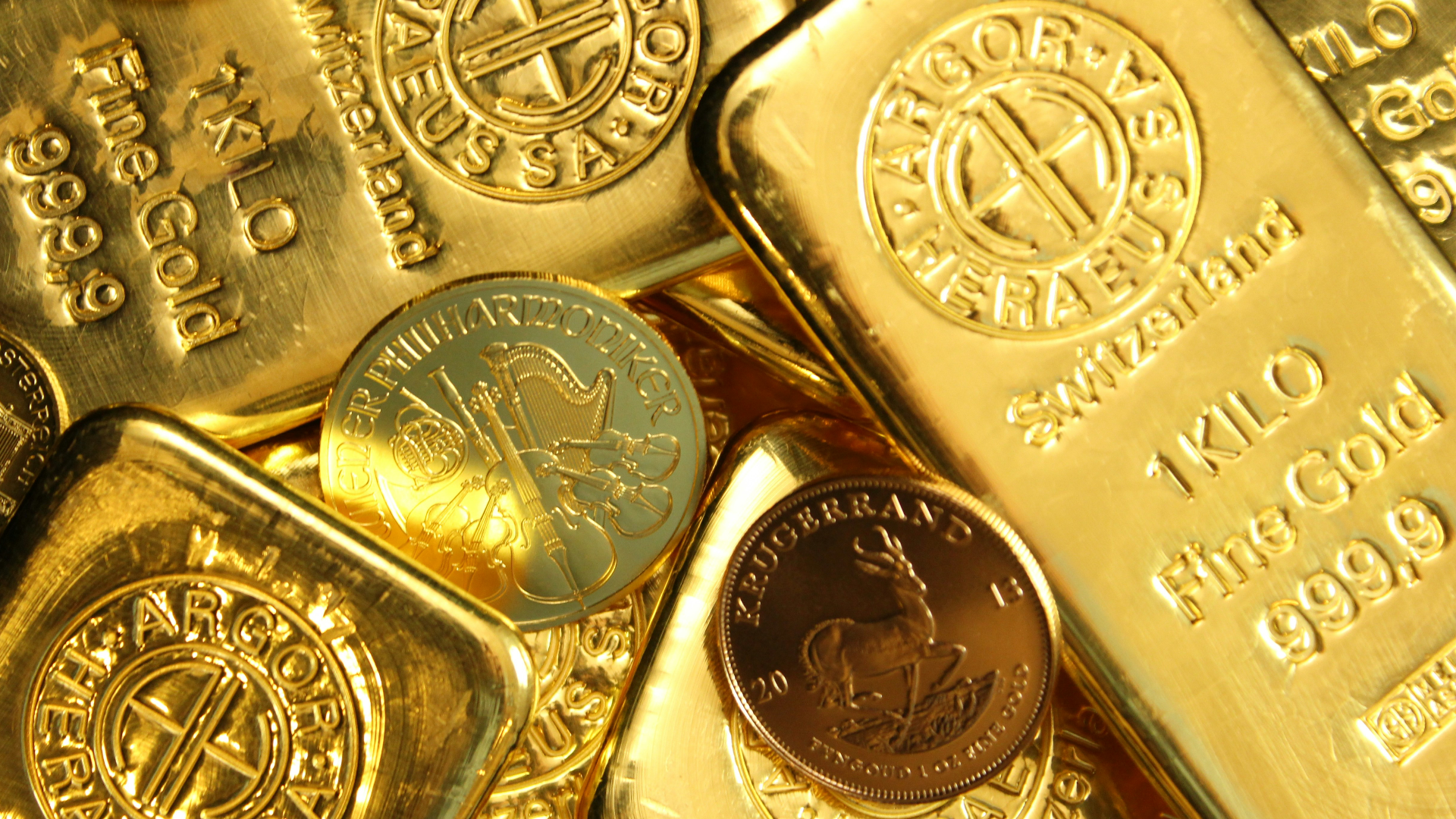
For thousands of years, gold has been one of the most prized materials on Earth. From ancient Egyptian treasures to modern investment portfolios, its appeal has endured across civilizations and generations. One of the most fascinating reasons for gold’s lasting value lies in a simple scientific fact: gold does not rust.
Unlike iron, steel, and many other metals, gold remains virtually unchanged over time. A gold coin buried for centuries can emerge looking almost as brilliant as the day it was minted. This remarkable durability is not just a curiosity of nature—it is one of the key reasons why gold has become a symbol of wealth, permanence, and security.
What Is Rust?
To understand why gold does not rust, it helps to know what rust actually is. Rust is a form of corrosion that occurs when iron reacts with oxygen and moisture in the environment. This chemical reaction produces iron oxide, the reddish-brown substance commonly seen on old tools, vehicles, and bridges.
Corrosion is nature’s way of returning refined metals to a more stable chemical state. Most metals react with elements in the air, water, or soil over time. As a result, they gradually degrade, weaken, or lose their appearance.
Gold, however, behaves very differently.
The Unique Chemistry of Gold
Gold is classified as a “noble metal,” a group of metals known for their exceptional resistance to corrosion and oxidation. This resistance comes from gold’s atomic structure and low chemical reactivity.
Every element has a tendency to gain, lose, or share electrons during chemical reactions. Gold’s electron configuration makes it highly stable, meaning it has little desire to react with oxygen, water, or most common chemicals. As a result, gold does not form oxides under normal environmental conditions.
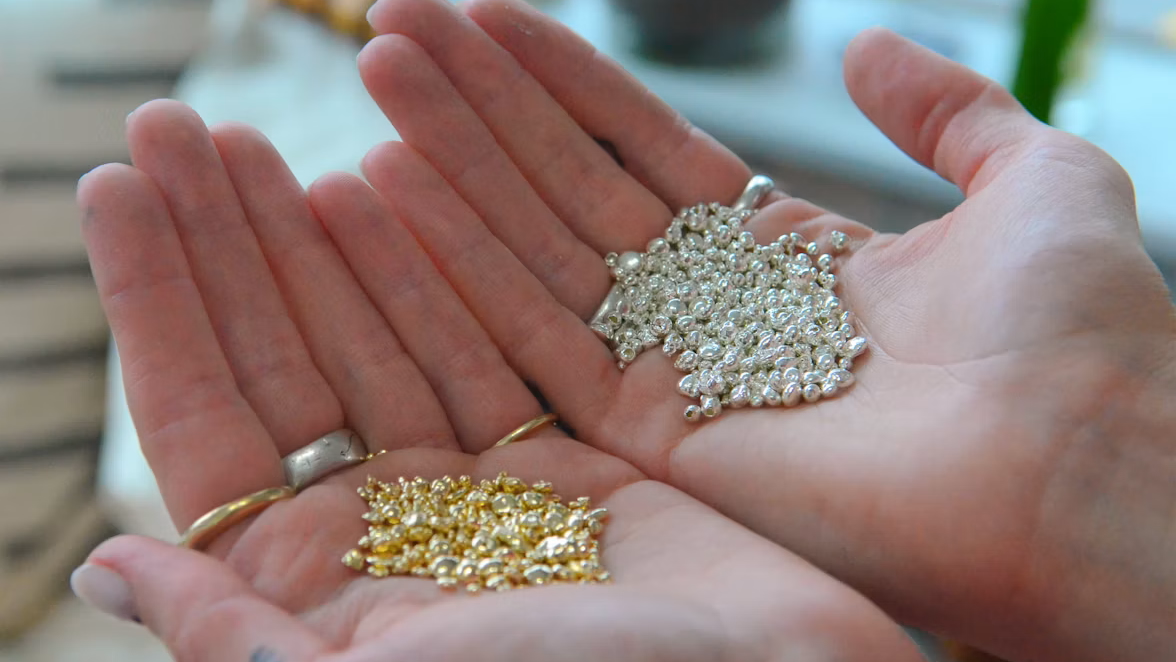
In practical terms, this means gold does not tarnish, rust, or corrode the way other metals do. While silver develops a dark tarnish and copper turns green, pure gold maintains its shine and colour for decades, or even millennia.
Why Durability Creates Value
Gold’s resistance to corrosion has played a major role in its economic and cultural value throughout history.
Imagine trying to use iron as money. Over time, coins would rust, lose weight, and become difficult to identify. Gold solved this problem because it remained stable regardless of climate or storage conditions.
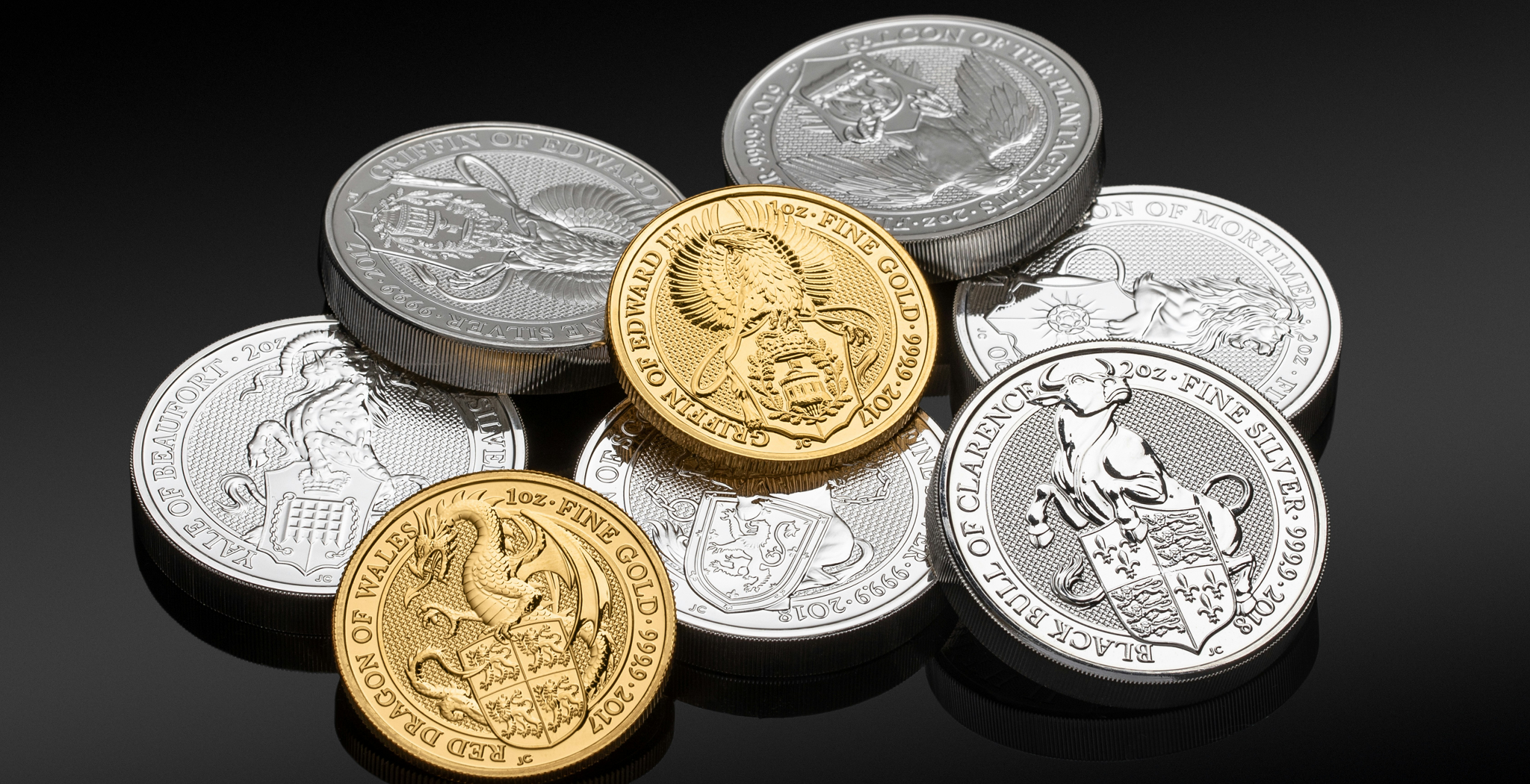
Ancient civilizations quickly recognized that gold could preserve wealth better than many other materials. Gold jewellery, coins, and artifacts could be passed down through generations without significant deterioration. This reliability helped establish gold as a trusted medium of exchange and a store of value.
Even today, investors appreciate gold for similar reasons. While currencies can lose purchasing power and many assets can deteriorate, physical gold remains fundamentally unchanged.
Gold’s Role Beyond Jewellery
The chemical stability of gold makes it valuable for more than just investment and adornment. Modern technology relies on gold in a surprising number of applications.
Gold is widely used in electronics because it conducts electricity efficiently and resists corrosion. Connectors, circuit boards, and computer components often contain small amounts of gold to ensure reliable performance over long periods.
The aerospace industry also uses gold in satellites and spacecraft. Its resistance to extreme temperatures and harsh environmental conditions makes it ideal for protecting sensitive equipment.
Medical devices, dental applications, and specialized scientific instruments also benefit from gold’s unique chemical properties.
A Metal Built to Last
The fact that gold does not rust may seem like a simple scientific detail, but it has had enormous consequences for human history. Gold’s exceptional resistance to corrosion has allowed it to remain beautiful, useful, and valuable for thousands of years.
Its unique chemistry gives it a rare combination of durability, scarcity, and reliability that few materials can match. Whether found in ancient treasures, modern electronics, or investment vaults, gold continues to hold its place as one of the world’s most valuable resources.
In a world where many things fade, decay, and disappear, gold stands out because it endures. And that enduring quality is at the heart of its lasting value.
Come visit a Canada Gold location today for all your precious metals needs.