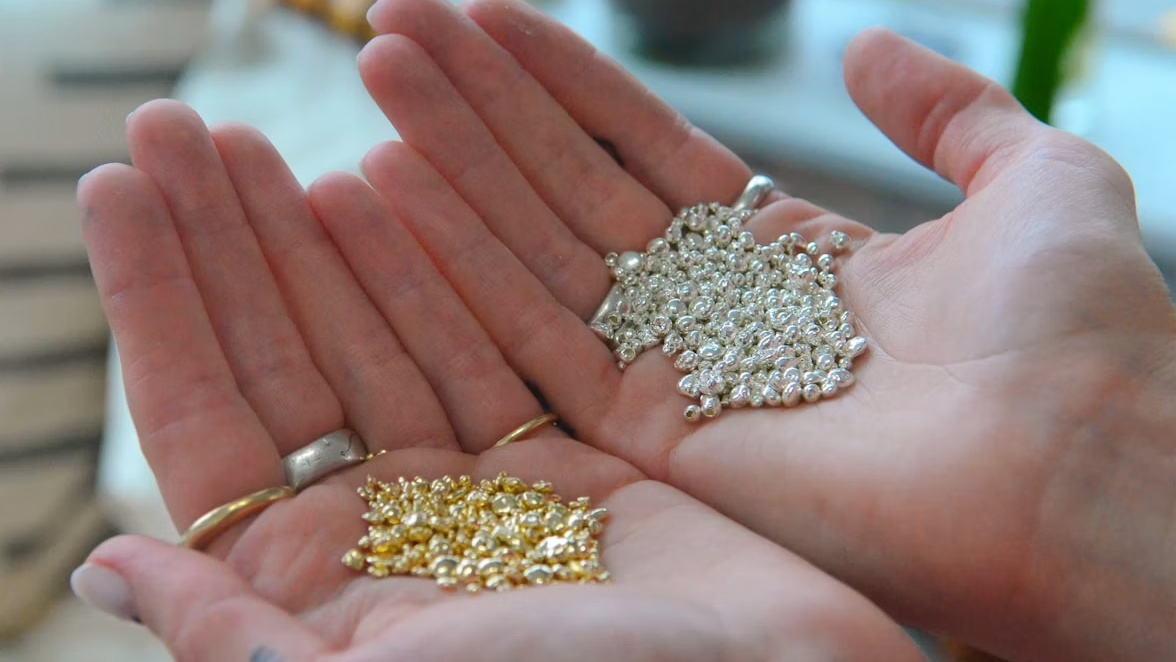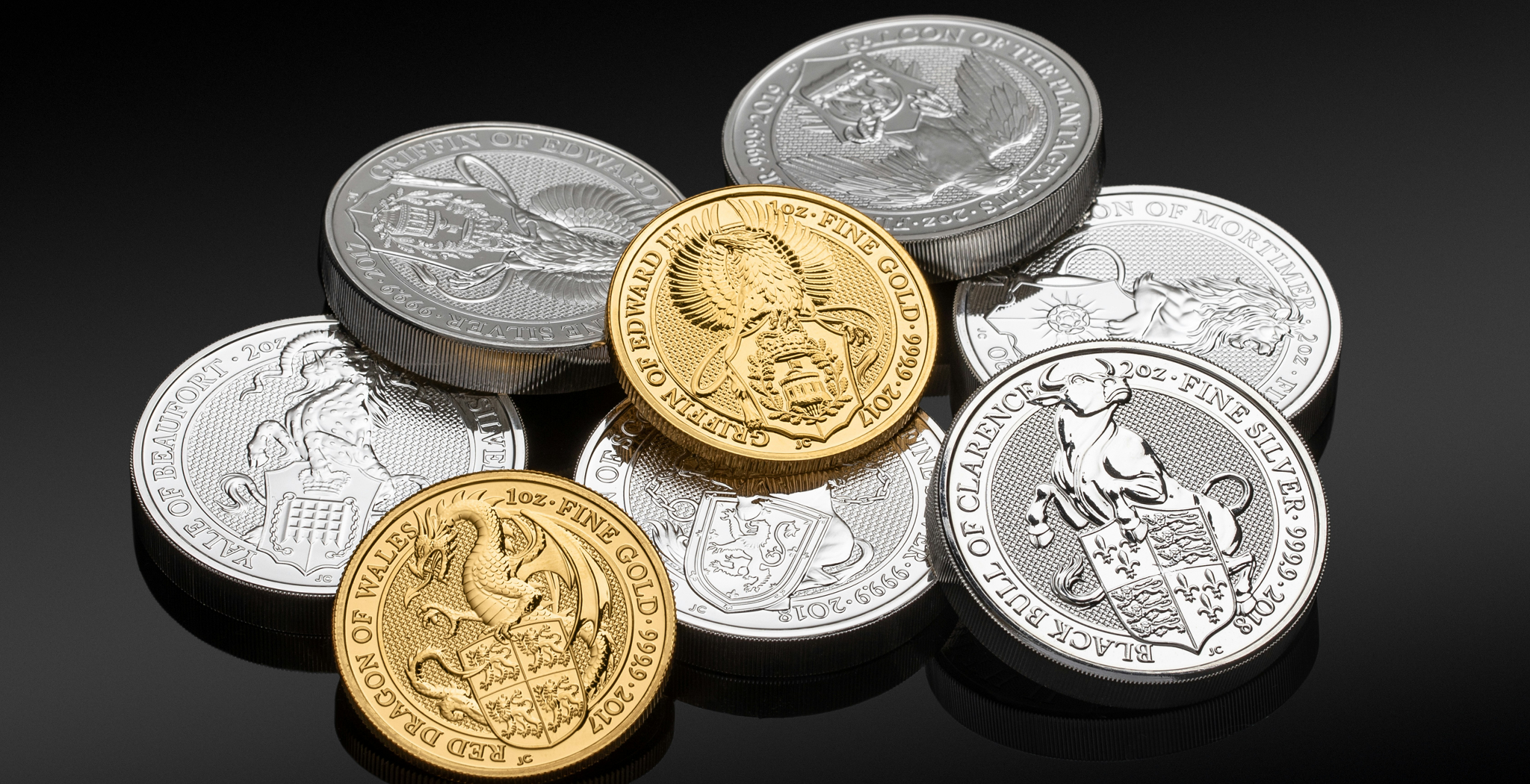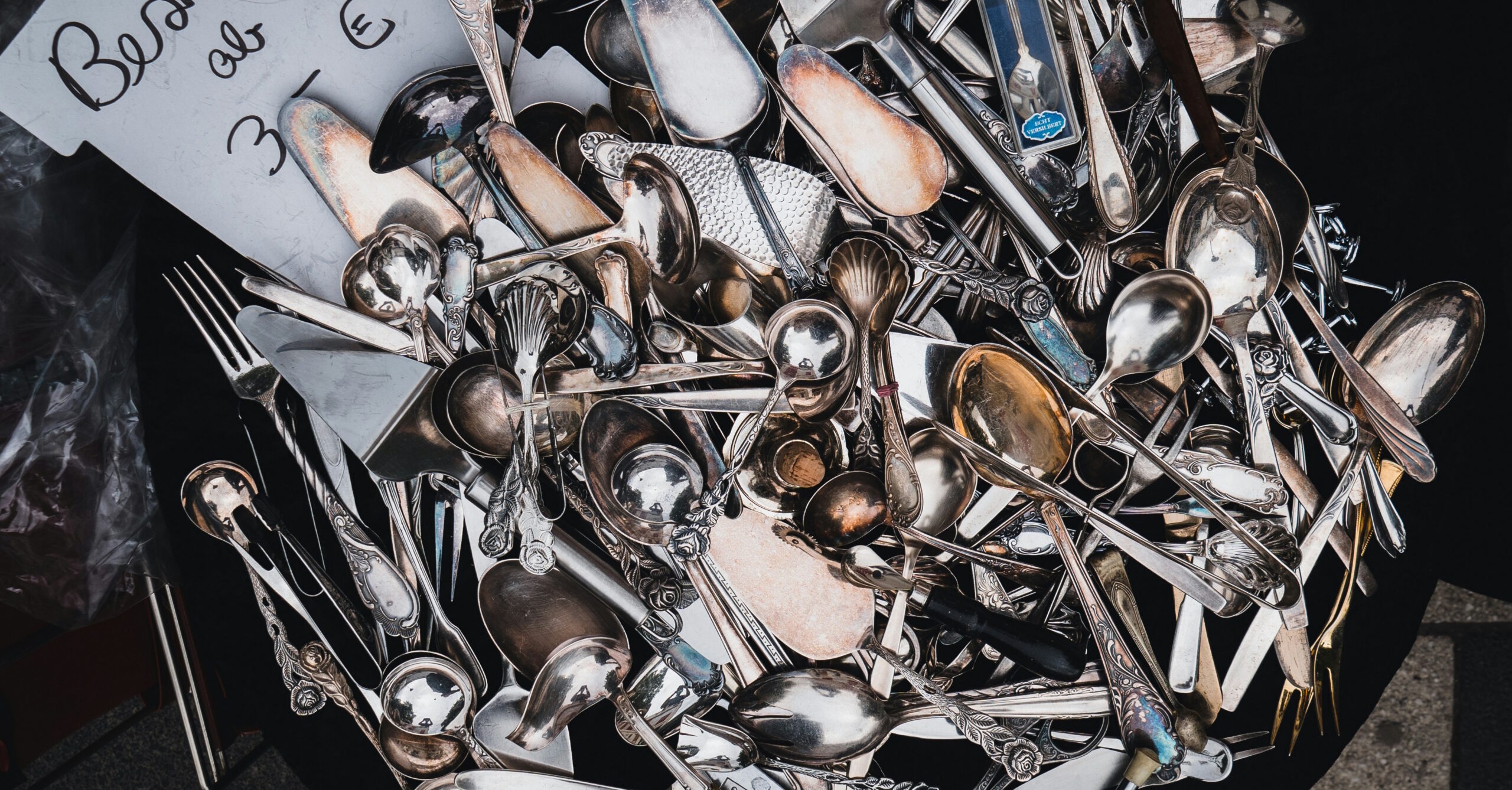
Silver is a beautiful precious metal with a lustre that can be appreciated in a variety of everyday pieces. Silver can be found in everything from flatware, serving trays, tea sets and jewellery.
It can add its sparkle and elegance to even the most common of household items. So, how do you know if your inherited flatware or coin collection is silver or another precious metal masquerading as it? This is where silver hallmarks can help you identify if and what type of silver you have in your collection.
What is a silver hallmark?
Silver hallmarks are stamps on silver pieces that identify them as silver. They are placed with a hammer and punch prior to the piece’s final polishing. The edges of the hallmarks are often rough after stamping, which is why a final polish is needed to finish the piece.
The silver hallmarks can tell you a few things about your piece, including the country of origin, the purity, often referred to as fineness of the silver, the date and even the town in which the silver was stamped.
What is the purpose of a silver hallmark?
Silver is a soft precious metal, meaning it needs to be mixed with other materials to create pieces like flatware, tea sets and jewellery. The silver hallmarks indicate the purity of the piece, whether 80%, 90%, 92.5%, or even 95% silver. Meaning a 92.5% silver piece would contain 7.5% other materials. Sterling silver is 92.5% silver and one of the most common purities of silver pieces.
These hallmarks were created to show that the silver item’s fineness has been assessed and recognized by a legal authority, known as the assay office. These offices were established to authenticate precious metals. All silver items must be stamped.
Origin of Silver Hallmarks
Stamping silver with hallmarks originates back to King Edward I in the 1300s, with a leopard’s head stamp being added to all London made silver; this stamp is still used today. The practice of stamping grew in order to prevent fraud and protect consumers, as silver has held and still holds high value.
The system for British hallmarking became more formalized in 1327 under Edward III. Under his order, a medieval guild was created to assess and mark all precious metals in London; today, this guild is known as The Goldsmiths’ Company. All precious metals had to be brought to the office at Goldsmiths’ Hall in London for testing. Once they passed, they were struck with the King’s hallmark, creating the first standardized system for hallmarks.
The Goldsmiths’ Company still holds their original residence today at Goldsmiths’ Hall in London. Their offices have expanded across the UK. Today, they continue to uphold standards of hallmarking, as well as having a thriving education programme to keep the craft alive.
Why is this important to you?
Knowing that silver must be stamped will help you sort whether those things taking up space in your cupboards or drawers are heading to donation, or could add a little cash to your pocket. Check any pieces that have that silver shine for hallmarks. Common ones include 925, STG, STERLING, a lion or a harp. Take a look at our UK Silver Hallmark Guide to see other examples of silver hallmarks.
Next time you’re in a thrift store, pick up some shiny-looking objects and see if they’re the real deal silver or simply another imposter. Bring any silver to your local Canada Gold location for a free, no-obligation evaluation.